
Understanding Sleep-Disordered Breathing
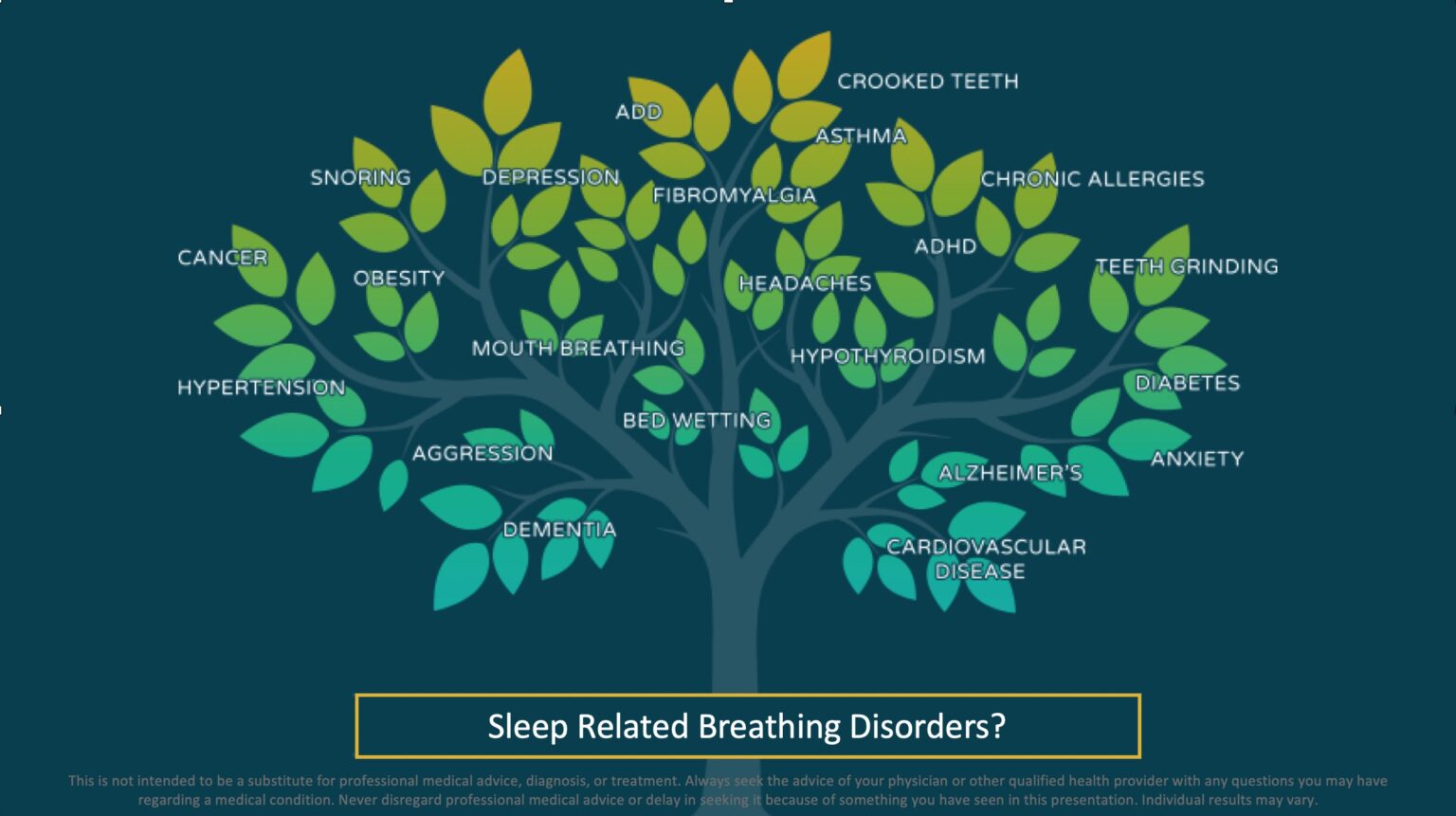
Sleep-disordered breathing refers to a range from snoring to severe obstructive sleep apnea (OSA). This is a serious sleep disorder characterized by intermittent cessation of breathing. These periods without breath degrade sleep quality and disrupt the body’s oxygen supply, potentially leading to significant health issues.

Obstructive Sleep Apnea (OSA)
As the most prevalent category of sleep apnea, OSA results from excessive relaxation of the throat muscles during sleep. This relaxation obstructs the airway, impeding normal breathing.
Central Sleep Apnea
The central form of sleep apnea, which is less common, arises when the brain doesn’t instruct the respiratory muscles to breathe, causing short-term breathlessness.
Complex Sleep Apnea Syndrome
Also described as treatment-emergent central sleep apnea, this disorder manifests when an individual concurrently suffers from obstructive and central sleep apnea.
Dentists as Sleep Apnea Screeners
Dentists are in a great position to screen patients who present with dental clues of sleep-disordered breathing. Some of the oral signs include:
- Ridges around the tongue
- Red, inflamed gums
- Dry mouth
- Narrow palate
- Enlarged tongue
- Extra bony growths inside jaw and under lips
- Tongue-ties
- Narrow airways
Patients are informed of these signs in their mouths and are given a home sleep test. This involves a simple ring worn on a finger for 3 nights after which a Sleep MD reviews the results. The dentist and patient can then review the findings to see if oral appliance therapy is an option for the patient.

Learn More About Sleep Dentistry
Treatment Planning and Options
Treatment planning objectives focus on increasing airway space for the patient. This can be done with various methods including maintenance with mandibular advancement appliances or orthopedic expansion of the jaws.

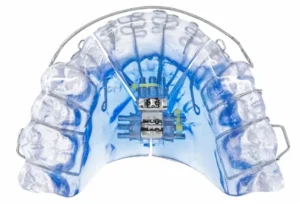
On Nov. 29, 2023, the FDA cleared this Vivos appliance as the FIRST ever oral appliance to treat Obstructive Sleep Apnea. We are very excited to be able to provide this treatment to those suffering from OSA, especially those unable to tolerate a CPAP machine.
Pediatric Sleep Dentistry
Signs of Improper Growth of Jaws from Sleep Disordered Breathing
- Deep Bite: Upper teeth cover most or all of the lower teeth when biting down
- Retrognathic Mandible: Lower jaw is forced backwards causing excessive space between front and lower front teeth
- Anterior Open Bite: Potentially from thumb-sucking or other oral habits
- Anterior Cross-Bite: Upper front teeth fit behind lower teeth
- Posterior Cross-Bite: Upper back teeth do not fit over lower back teeth as they should
Treatment for Children
- Dental Appliances: Depending on the child’s age, removable or fixed appliances can be worn to help them breathe better while sleeping, allowing the tongue to rest on their palate and develop their dental arches properly.
- Myofunctional Therapy: This is physical therapy for the mouth, tongue, and facial muscles, which helps strengthen and restore normal function.
- Tongue and/or Lip Tie Release: This laser surgical procedure releases the muscle for proper range of motion in tongue or lip function.
Adult Snoring and Sleep Dentistry Treatment
Signs and Symptoms of OSA
- Excessive daytime sleepiness
- Snoring or gasping for breath at night
- Episodes of no breathing or difficulty breathing causing sounds
- Mouth breathing while asleep or during the day
- Severe teeth grinding or unexplained fractured back teeth
- Lack of concentration or memory loss
Home Sleep Testing with SleepImage Ring
Home sleep testing is now available through our office using the FDA-cleared SleepImage Ring. It is easy to use, comfortable to wear on a finger, and suitable for children over age 2 and adults.
Treatment Options
- Dental Oral Appliances: Custom-made oral appliances designed to posture the lower jaw forward and downward, opening up the airway at night.
- Myofunctional Therapy: Strengthens and restores normal function in the mouth, tongue, and facial muscles.
- Clear Aligner Therapy: Involves wearing clear plastic aligners to move teeth into better positions, creating more room for the tongue.
- CPAP: The gold standard for OSA treatment. For those who cannot tolerate a CPAP machine, oral appliance therapy has been an effective alternative.